Everyday Food-Related Experiences: Informational Framing
This platform offers a neutral, educational space dedicated to understanding how people describe and contextualize their daily eating experiences. Through descriptive sessions with food-related professionals, participants explore ordinary moments surrounding food throughout their day.
These sessions focus exclusively on clarifying how experiences are narrated, which everyday circumstances shape them, and how routine, context, and time influence perception. This is not about changing outcomes or directing behavior, but about outlining and recognizing patterns in daily life.
Explore More

Experiences: How Daily Moments Are Described
Everyday food-related experiences encompass the ordinary moments that punctuate our days: the first meal upon waking, breaks during work, main eating occasions, and informal situations where food is present. These moments are neither exceptional nor unusual; they simply occur as part of daily life.
Descriptive sessions explore how individuals notice and express these moments. Conversations may touch on what comes to mind when recalling a morning start, how a midday pause is characterized, or which details stand out when describing an evening meal. The focus remains on the narrative itself: the words chosen, the aspects emphasized, and the context provided.
There is no attempt to judge, correct, or optimize these experiences. Instead, the educational exchange centers on recognition and articulation, offering participants a space to observe how they frame their own daily reality around food without external direction.
Daily Moments: Sequence Throughout the Day
The rhythm of eating experiences unfolds across different times and transitions. Understanding this natural sequence helps frame how people describe their relationship with food across various parts of the day.

Morning Starts
The beginning of the day often includes initial food moments: whether rushed or leisurely, seated or on-the-go, alone or shared. Descriptions may reference time pressure, energy levels upon waking, or habitual routines that shape how the morning unfolds.

Pauses and Main Meals
Midday and afternoon periods bring opportunities for pauses or structured meal times. These moments may occur at desks, in communal spaces, or away from work environments entirely. The context surrounding these experiences varies widely based on availability and circumstance.

Evening Transitions and Shared Moments
As the day closes, eating experiences often shift in character. Evening meals may involve preparation at home, gathering with others, or simply winding down. Descriptions reflect the transition from activity to rest, and how social or solitary these moments might be.

Context Notes: Elements Shaping Experiences
Everyday food-related experiences do not occur in isolation. They are shaped by various contextual elements that participants often mention when describing their days. These elements include:
- Time Availability: Whether moments feel rushed or unhurried influences how eating experiences are framed. Descriptions may reflect limited windows during workdays or more expansive periods on weekends.
- Surroundings: Physical environments—home kitchens, office spaces, outdoor settings—provide backdrop and atmosphere to daily eating moments.
- Access and Convenience: What is readily available, familiar, or easy to obtain often appears in narratives about daily food experiences.
- Attention and Presence: Whether one is focused on eating or multitasking shapes the subjective quality of the experience as described later.
These context notes are discussed descriptively during sessions, without suggesting changes or improvements. The aim is simply to acknowledge the variety of factors that individuals reference when outlining their everyday reality.
Places: Where Experiences Occur
Food-related experiences happen in diverse locations throughout daily life. Recognizing these settings helps participants articulate the spatial dimension of their routines.

Home Environments
Kitchens, dining areas, living rooms, and even bedrooms serve as sites for eating experiences. Home settings often involve preparation, storage decisions, and personal preferences without external constraint. Descriptions may emphasize comfort, familiarity, or the logistics of managing food at home.

Workplaces
Offices, break rooms, and on-site spaces shape eating experiences during working hours. These locations may impose time limits, influence food choices through availability, or create social contexts around shared meals. Narratives often reflect the balance between work demands and personal needs.

Outside Locations and Group Contexts
Restaurants, cafes, parks, streets, and other public or semi-public spaces offer different backdrops for eating experiences. Group gatherings, whether planned or spontaneous, introduce social dynamics. Descriptions may highlight accessibility, variety, or the distinction between routine and occasional outings.
Repetition: Familiarity Across Days
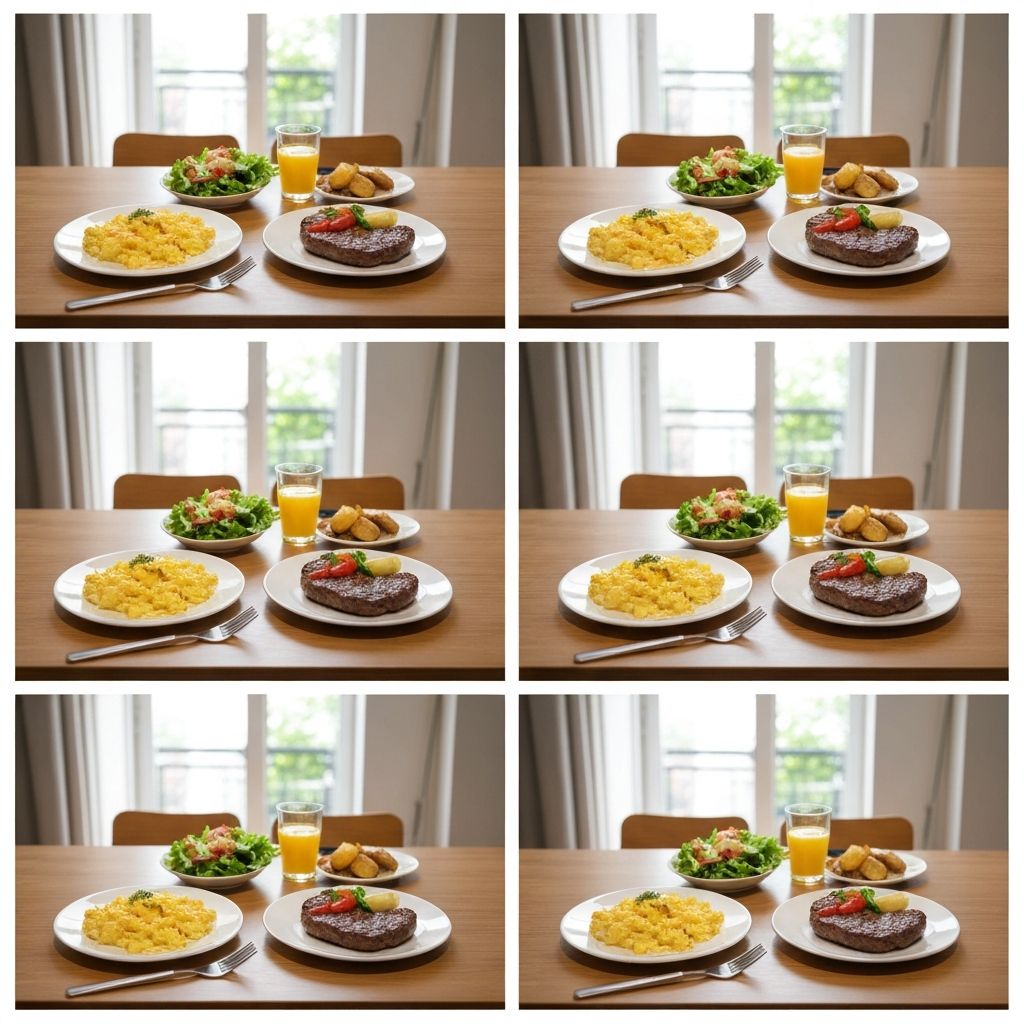
One defining feature of everyday food-related experiences is their repetitive nature. Certain patterns recur throughout the week, becoming familiar markers of routine life. Descriptive sessions acknowledge this repetition as a natural characteristic of daily existence.
Weekdays: Working days often establish predictable rhythms. Mornings may follow similar sequences, midday pauses occur at consistent times, and evenings reflect recurring obligations. Descriptions frequently mention this regularity as a backdrop to daily experience.
Weekends: Non-working days may introduce variations in timing, location, or social context. The contrast with weekday patterns often appears in narratives, highlighting differences in tempo or flexibility.
Variations and Recognition: Even within repetition, subtle shifts occur: occasional deviations, seasonal changes, or unexpected circumstances. Discussing these variations helps participants recognize the balance between consistency and change in their daily lives.
The educational focus remains on observing and articulating these patterns without evaluating their merit or suggesting modifications. Repetition is neither positive nor negative; it is simply a feature to be described and understood.
Situations: Commonly Described Scenarios
Beyond the general flow of daily life, specific situations frequently emerge in conversations about food-related experiences. These scenarios provide concrete examples of how context shapes daily moments.
Shopping Moments
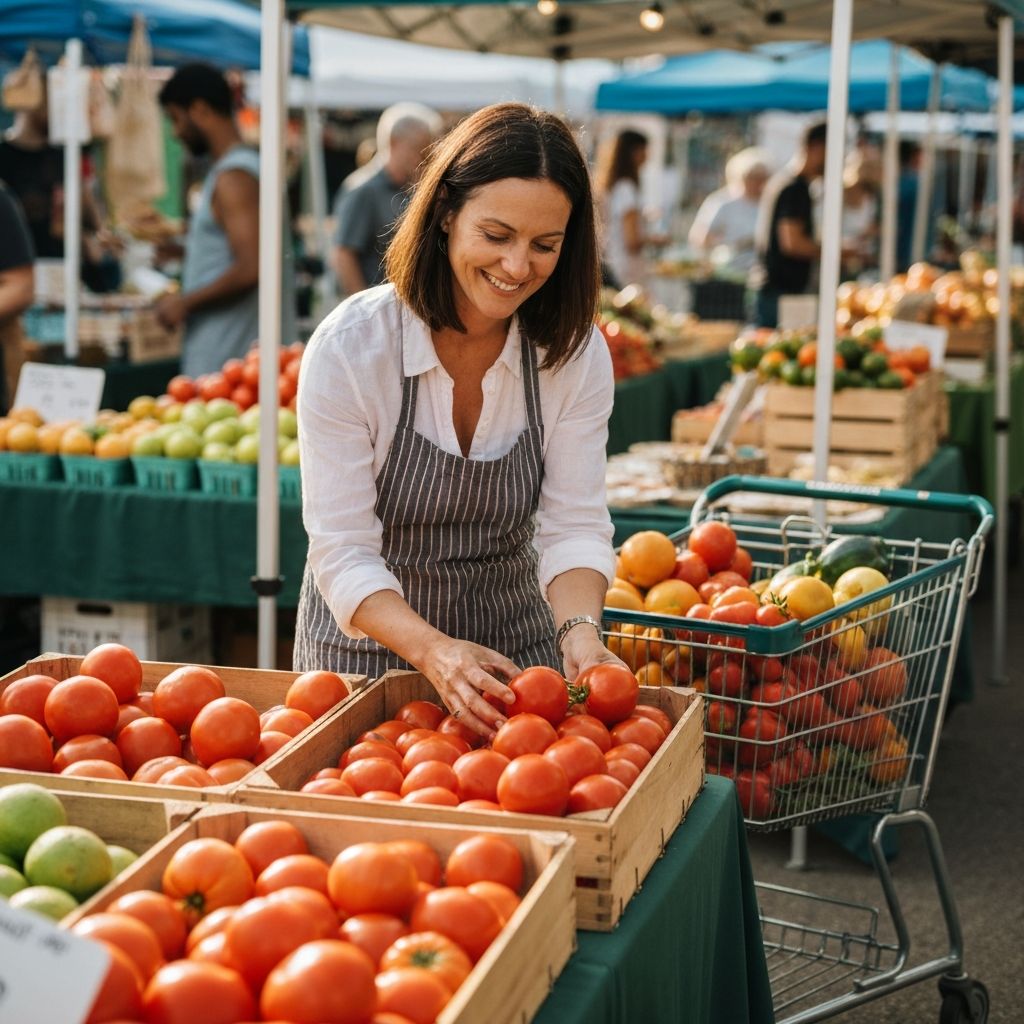
Acquiring food involves decisions about where to go, what to select, and how much to purchase. Descriptions may reference convenience of location, time spent browsing, or considerations of storage and future use. Shopping represents a preparatory aspect of food-related experiences, distinct from consumption itself.
Eating Out and Social Gatherings
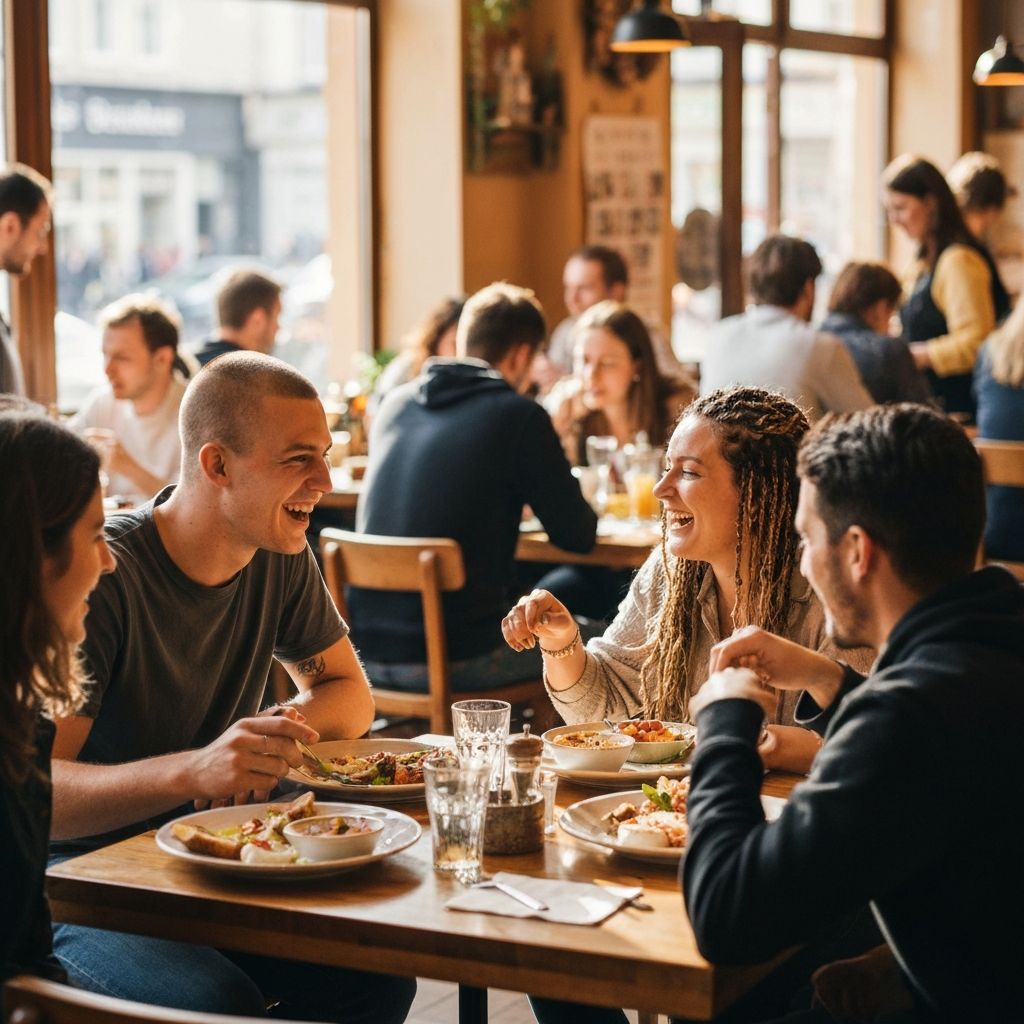
Occasions outside the home introduce different dynamics: navigating menus, sharing meals with others, or adapting to unfamiliar settings. Social gatherings, whether celebratory or casual, add relational dimensions to eating experiences. Participants may describe frequency, preferences, or notable contrasts with home routines.

Commuting and Travel
Movement between locations—commuting to work, traveling for business or leisure—affects food-related experiences through limited access, time constraints, or unfamiliar options. Descriptions often highlight improvisation, compromise, or the challenge of maintaining routines while in transit or away from home.
Daily Tempo: Rhythm and Pauses
The pace of daily life varies considerably, influencing how food-related experiences unfold. Tempo refers to the overall rhythm of a day: whether it feels hurried, measured, or slow.
Fast Days
Some days are characterized by continuous activity, tight schedules, and minimal breaks. During such periods, eating experiences may be brief, fragmented, or secondary to other demands. Descriptions might emphasize efficiency, multitasking, or the absence of dedicated time for meals.
Slower Days
Other days permit a more relaxed pace, with longer intervals between obligations and space for extended meals or preparation. These experiences may involve greater attention, social interaction, or exploration of preferences. Narratives often contrast these occasions with busier periods.
Changes in daily tempo are normal and recurring. Sessions explore how participants perceive these shifts and what aspects of their food-related experiences change in response. This is a purely descriptive observation without implications for what tempo should be preferred or pursued.
Limits of the Informational Format
Clarity about what this educational platform does not provide is essential to understanding its purpose and boundaries.
No Instructions or Plans
There are no menus, meal plans, schedules, standards, mandatory lists, or specific recommendations. Sessions do not tell participants what to do, when to do it, or how to organize their days.
No Measurements or Evaluations
There are no analyses, assessments, dosages, prescriptions, or quantitative tracking. Experiences are not graded, scored, or compared against benchmarks.
No Promises or Outcomes
This format does not guarantee results, effects, timelines, or changes. Descriptive exchanges focus on understanding, not transformation.
No Action Plans
Sessions conclude with a descriptive summary of themes discussed, not with directives for future behavior. Participants leave with recognition and articulation, not instructions.
This platform is strictly educational and informational, centered on descriptive exploration of everyday experiences without guidance, evaluation, or expectation of change.
FAQ About Descriptive Sessions on Food-Related Experiences
Contact and Informational Closing
If you have questions about the descriptive session format or wish to receive informational updates, you may contact us using the form below.
Phone
+62 751 9043 682
Address
Jalan Sisingamangaraja No. 91
Padang 25117, Indonesia
This platform exists to offer a clear, educational perspective on how people describe and contextualize everyday food-related experiences. Through descriptive sessions, participants explore the narrative dimensions of daily eating moments without direction, evaluation, or expectation of change. We invite you to engage with this informational resource as a space for recognition and understanding.